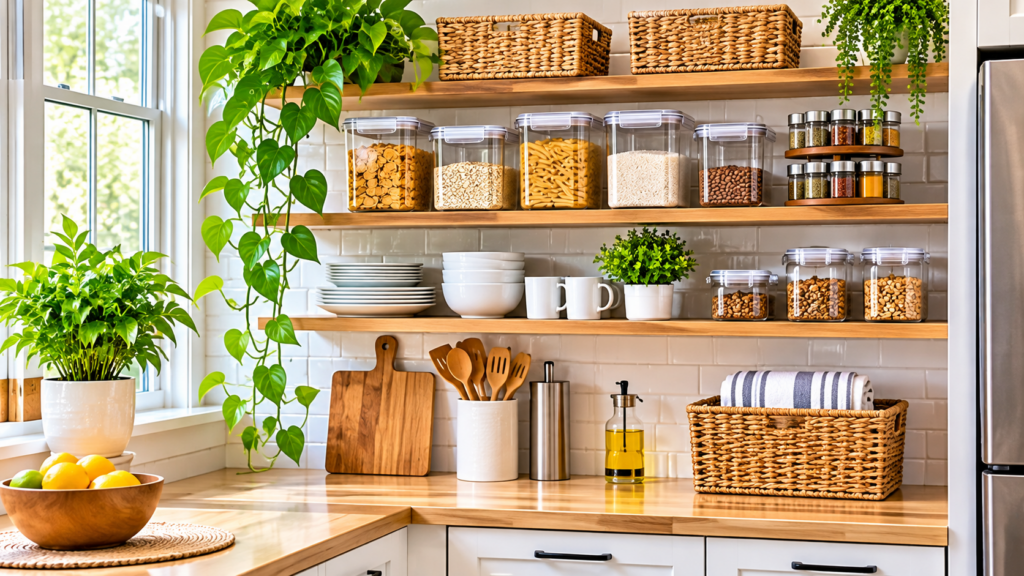
A cluttered home can make everyday tasks feel more difficult than they need to be. From searching for misplaced keys to dealing with overflowing kitchen cabinets, disorganization can cost you valuable time, space, and even money.
The good news? You don’t need expensive storage systems, a professional organizer, or a complete home makeover to get organized.
With a few simple changes, you can create a more comfortable, functional living space while making better use of what you already own.
In this guide, we’ll explore 15 simple home organization ideas that save time, space, and money. These practical tips cover your kitchen, bedroom, bathroom, closets, and other everyday living areas.
Whether you’re organizing a small apartment or a larger family home, these budget-friendly solutions can help you reduce clutter, find what you need faster, and make your home easier to maintain.
1. Start by Decluttering One Small Area at a Time
Trying to organize your entire home in one day can quickly become overwhelming. Instead, start with one drawer, shelf, cabinet, or small corner.
Remove everything from that space and sort the items into three categories: keep, donate, and discard.
Ask yourself whether you’ve used each item recently, whether it serves a purpose, and whether you already own something similar.
Money-saving tip: Before purchasing new storage containers, check whether you can reuse baskets, boxes, or organizers you already have.
For more ideas on reducing household waste and reusing everyday items, explore the EPA’s guide to reducing and reusing.
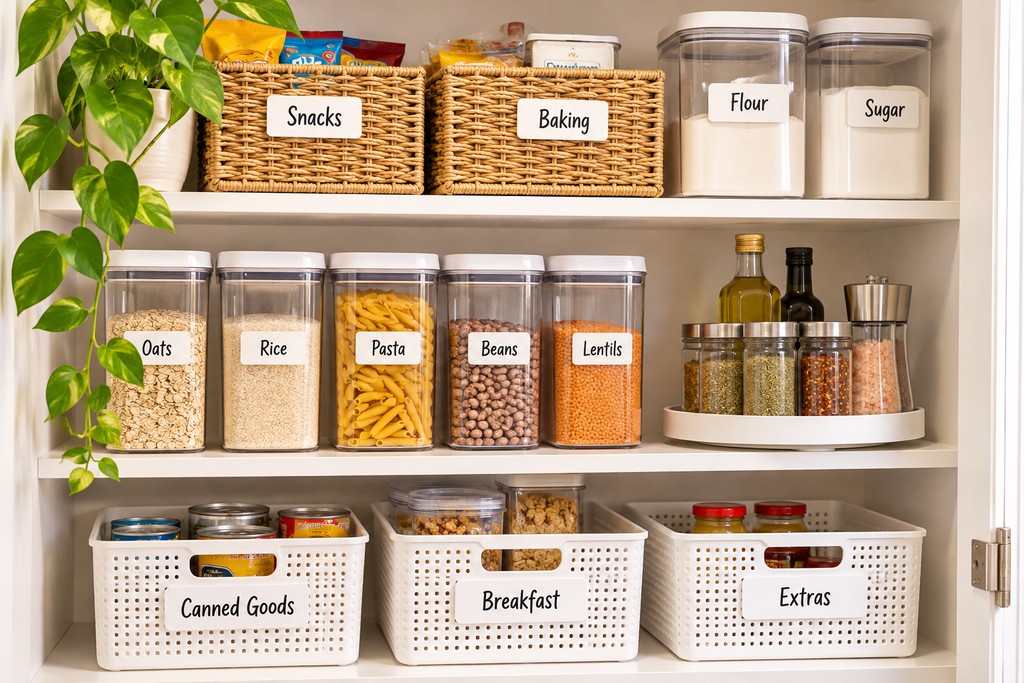
2. Use Clear Storage Containers to Keep Items Visible
Clear storage containers make it easier to see what you own without opening multiple boxes or searching through cluttered cabinets.
They’re particularly useful for organizing pantry staples, bathroom supplies, craft materials, and small household accessories.
Choose stackable containers when possible to maximize vertical storage space.
Money-saving tip: You don’t need to replace every container at once. Start with a few affordable options or reuse clean, transparent containers you already own.
3. Maximize Cabinet Space With Shelf Risers
Many kitchen and bathroom cabinets have unused vertical space between shelves.
Shelf risers create additional storage levels, allowing you to organize dishes, mugs, canned goods, and cleaning supplies more efficiently.
They’re especially helpful in smaller kitchens where cabinet space is limited.
Before buying shelf risers, measure the width, depth, and height of your cabinets to ensure they fit properly.
Money-saving tip: Look for adjustable or multipurpose shelf risers that can be moved between cabinets as your storage needs change.
4. Organize Drawers With Simple Dividers
Messy drawers can make finding everyday essentials frustrating.
Drawer dividers help separate utensils, office supplies, cosmetics, socks, and other small items so everything has a designated place.
Adjustable dividers are particularly useful because they can accommodate different drawer sizes and changing storage needs.
You can also create inexpensive dividers using small boxes or sturdy cardboard.
Money-saving tip: Repurpose empty gift boxes or packaging before purchasing commercial drawer organizers.
5. Make Better Use of the Space Behind Doors
The back of a door is often overlooked as valuable storage space.
Over-the-door organizers can hold shoes, cleaning supplies, accessories, toiletries, and other lightweight household items.
They’re especially useful in bedrooms, bathrooms, laundry rooms, and small apartments.
Choose organizers that fit your door properly and avoid overloading them. Check that the door can still close without damaging its frame.
Money-saving tip: A single multipocket door organizer can replace several smaller storage containers while freeing up shelf and drawer space.
6. Organize Your Closet With Matching Hangers
A cluttered closet can make getting dressed more stressful than it needs to be.
Using matching, slim-profile hangers creates a cleaner appearance and can help maximize available hanging space.
Group clothing by category, such as shirts, pants, jackets, and dresses. You can also arrange items by color to make finding outfits easier.
Consider storing seasonal clothing in labeled bins or on higher shelves to keep frequently worn items within reach.
Money-saving tip: You don’t need to replace all your hangers immediately. Start by organizing the hangers you already own, then gradually switch to space-saving options if necessary.
7. Use Baskets to Organize Bathroom Essentials
Bathrooms often become cluttered with toiletries, skincare products, towels, and cleaning supplies.
Small baskets can help keep similar items together while making countertops and cabinets look more organized.
Consider using separate baskets for daily toiletries, extra supplies, hair accessories, and cleaning products.
Choose moisture-resistant baskets for humid bathroom environments.
Money-saving tip: Before purchasing decorative storage baskets, check discount stores or repurpose suitable containers already in your home.
8. Create a Simple Laundry Room Organization System
An organized laundry area can make washing, drying, and folding clothes easier.
Start by designating specific locations for detergent, stain removers, dryer sheets, and laundry accessories.
Use shelves or baskets to keep supplies together and prevent clutter from accumulating around the washer and dryer.
If space allows, consider adding a small folding surface or wall-mounted drying rack.
Always store laundry chemicals securely, away from children and pets, and follow product storage instructions.
Money-saving tip: Reuse existing shelves and containers before investing in expensive laundry room storage systems.
9. Create a Designated Drop Zone Near Your Entrance
Keys, wallets, mail, sunglasses, and other everyday essentials often end up scattered throughout the house.
Creating a small drop zone near your entrance gives these items a permanent home.
A simple tray, small basket, wall-mounted hooks, or narrow shelf may be all you need.
Consider adding a designated spot for incoming mail so important documents don’t get misplaced.
Money-saving tip: Repurpose a decorative bowl, unused tray, or small basket instead of purchasing a dedicated entryway organizer.
10. Label Storage Bins and Containers
Labels make it easier to identify stored items without opening every container.
They’re especially helpful for organizing seasonal decorations, craft supplies, household tools, office materials, and pantry items.
Use simple, descriptive labels that clearly identify what’s inside each container.
For shared household spaces, consistent labeling also helps everyone return items to their proper places.
You can use handwritten labels, masking tape, or printable labels depending on your preference.
Money-saving tip: Skip expensive label makers if you’re working with a tight budget. A permanent marker and inexpensive adhesive labels can work just as well.
11. Organize Your Pantry to Reduce Food Waste
An organized pantry makes meal preparation easier and helps prevent food from being forgotten or wasted.
Start by grouping similar items together, such as canned goods, pasta, rice, snacks, and baking supplies.
Place frequently used foods at eye level and move older products toward the front so they’re used before newer purchases.
Consider using small baskets or bins to keep loose packages together.
Check expiration and quality dates regularly, and follow proper food storage guidelines.
Money-saving tip: Before grocery shopping, check your pantry and make a list of what you already have. This simple habit can help prevent duplicate purchases and unnecessary spending.
12. Use Under-Bed Storage for Seasonal Items
The space beneath your bed can provide valuable storage, especially in smaller bedrooms or apartments.
Low-profile storage containers are useful for keeping seasonal clothing, extra bedding, shoes, and other items you don’t need every day.
Choose containers with lids to help protect stored items from dust.
If your bed is too low for standard storage bins, consider using specially designed under-bed organizers.
Avoid storing items that could trap moisture or attract pests.
Money-saving tip: Measure the available space beneath your bed before purchasing containers. You may already have shallow bins or sturdy storage boxes that fit perfectly.
13. Create a Simple System for Organizing Paperwork
Bills, receipts, instruction manuals, medical documents, and other paperwork can quickly accumulate around the house.
Instead of allowing papers to pile up, create a simple filing system with categories such as household expenses, insurance, warranties, and important records.
Use labeled folders, a small filing box, or a designated drawer to keep documents organized.
Consider scanning documents you need to reference regularly, but keep original copies when required.
Store sensitive paperwork securely and shred documents containing personal information before discarding them.
Money-saving tip: You don’t need an expensive filing cabinet. A few inexpensive folders and a sturdy storage box can provide an effective organization system.
14. Make Use of Vertical Wall Space
When floor space is limited, look upward for additional storage opportunities.
Wall-mounted shelves, hooks, pegboards, and hanging organizers can help free up countertops, desks, and other frequently used surfaces.
Consider installing shelves in kitchens, laundry rooms, home offices, or garages to organize items that would otherwise take up valuable floor space.
Use hooks for lightweight accessories, bags, or frequently used household items.
Always follow installation instructions, use appropriate wall anchors, and avoid exceeding weight limits.
Money-saving tip: Before buying new shelves, consider rearranging existing storage or repurposing sturdy shelving you already own.
15. Build a Simple 10-Minute Daily Organization Routine
One of the easiest ways to maintain an organized home is to develop a few small daily habits.
Instead of waiting until clutter becomes overwhelming, spend approximately 10 minutes each day returning items to their designated places.
You might clear the kitchen counter, sort incoming mail, put away shoes, or straighten a frequently used living space.
Focus on maintaining the organization systems you’ve already created rather than trying to make everything perfect.
Over time, these small habits can make your home easier to manage and reduce the need for major cleaning and organizing sessions.
Money-saving tip: Maintaining an organized home helps you keep track of what you own, reducing the likelihood of buying duplicate items or replacing belongings you simply can’t find.
Final Thoughts: A More Organized Home Starts With Small Changes
Creating an organized home doesn’t have to involve expensive products, complicated storage systems, or an entire weekend of cleaning.
The most effective organization solutions are often the simplest ones.
By decluttering small areas, making better use of available space, and developing a few practical daily habits, you can create a home that feels more comfortable and functions more efficiently.
Remember, the goal isn’t to create a picture-perfect home. It’s to make everyday life easier while saving time, space, and money.
Start with just one idea from this list. Once it becomes part of your routine, move on to another. Small improvements can make a meaningful difference over time.
What’s Your Favorite Home Organization Tip?
Do you have a simple organization trick that saves you time or money? Share your favorite idea in the comments below. Your suggestion might help another reader!
Explore More Helpful Guides: Visit our Guides page for practical advice, useful resources, and everyday money-saving ideas.
Looking for More Ways to Simplify Your Life? Explore our Technology & AI guides to discover how free AI tools can help you plan, organize, and manage everyday tasks.
Looking for Affordable Home Organization Products? Discover our guide, 10 Best Budget-Friendly Home Organization Products Worth Buying, for practical storage solutions that help reduce clutter without overspending.